
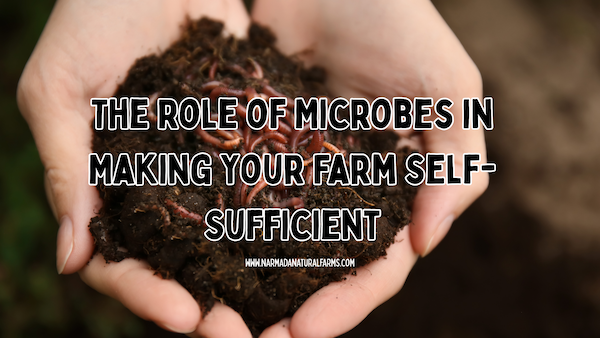
When you think about building a self-sufficient farm, tools, seeds, and techniques may come to mind first. Yet, the real heroes are often invisible. The role of microbes in making your farm self-sufficient is bigger than many farmers realise. These tiny organisms work silently beneath the soil, helping plants grow stronger, boosting yields, and reducing your dependence on expensive inputs.
Why Microbes Matter to Every Farmer
Microbes are not just background players. They create a living system in your soil. They decompose organic matter, release nutrients, and improve soil structure. Farmers who focus on healthy microbial life often see reduced fertilizer costs and stronger crop resilience. A thriving microbial community keeps the soil fertile and ensures consistent productivity.
Microbes as Natural Fertilizers
Microbes play a direct role in nutrient cycling. Nitrogen-fixing bacteria convert atmospheric nitrogen into forms plants can use. Fungi such as mycorrhizae extend root systems, pulling in phosphorus and water that roots cannot access alone. This means healthier crops without depending on large quantities of fertilizers. By feeding the microbes with compost and crop residues, farmers empower them to act as natural fertilisers.
Building Soil Immunity with Microbes
Healthy soil microbes act like an immune system for your farm. They suppress harmful pathogens, protect roots, and help crops resist stress. A soil rich in microbial life can better handle drought, pests, and diseases. This microbial partnership reduces the need for pesticides, irrigation, and other costly interventions.
Microbes and Farm Self-Sufficiency
The role of microbes in making your farm self-sufficient is not just about saving money. It’s about creating a cycle where your soil regenerates itself. Instead of buying external inputs, you are relying on nature’s own system. When you compost, rotate crops, or add organic amendments, you are actually feeding microbes. In return, they keep your farm fertile, productive, and resilient over the long term.
Offbeat Benefits of Microbes
Beyond plant growth, microbes also play roles you may not expect. Some microbes capture carbon from the air, contributing to climate-friendly farming. Others help break down toxins in the soil, making land healthier for future crops. Farms that nurture microbial life often notice long-term improvements in water retention and soil texture. These hidden benefits make a truly sustainable system possible.
Practical Steps to Boost Microbial Life
-
Add compost or well-rotted manure regularly.
-
Reduce heavy tilling to protect microbial habitats.
-
Use cover crops to keep living roots in the soil.
-
Avoid overuse of chemical fertilizers or pesticides.
-
Explore microbial inoculants available from agricultural brands.
Each small step strengthens the invisible workforce that keeps your farm running.
Final Thoughts
The role of microbes in making your farm self-sufficient is undeniable. They are the foundation of healthy soil, strong crops, and reduced external costs. Farmers who work with microbes instead of against them are already building the farms of the future.
Want to make your farm more resilient, cost-effective, and future-ready? Start by nurturing the microbes in your soil. Explore microbial solutions, composting methods, and soil-friendly practices today—because a self-sufficient farm begins underground.
📱 Let’s connect on social:
Follow me on Instagram and X (formerly Twitter) for tips, insights, and behind-the-scenes of natural farming. Subscribe to my YouTube channel Natural Farming Made Easy.
Download Rooted In Nature: A practical guide to Natural Farming in India, a comprehensive guide to natural farming, covers essential practices for cultivating a sustainable and productive farm.
Tags: narmada natural farms, natural farming feed your family, natural farming is the future of sustainable agriculture, natural farms, pesticide free, pesticide free farming, sankalp sharma, Sustainable Agriculture, the role of microbes in making your farm self-sufficient